Protester Management
& Response
Stand Prepared,
Stay Protected
Protests can emerge quickly, escalate without warning, and place serious pressure on people, property, operations, and reputation. SecuriGroup helps organisations prepare for, respond to, and mitigate protest-related disruption through intelligence-led planning, trained security personnel, and proactive site protection.
From peaceful demonstrations and public gatherings to coordinated direct action, our teams support clients with the experience, awareness, and operational readiness needed to manage protest activity professionally, lawfully, and effectively.
Proactive Protection Against Protest-Related Disruption
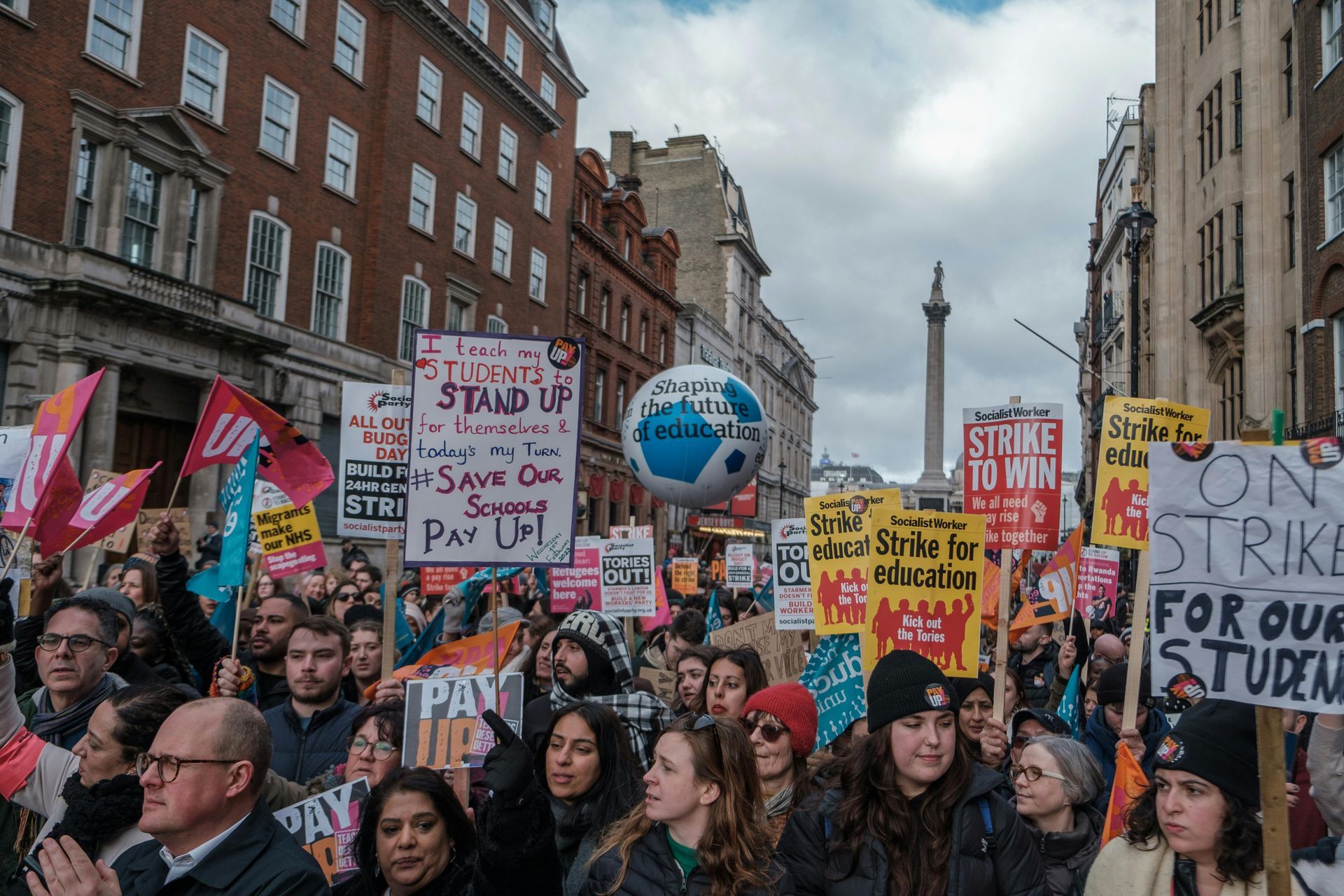
Protest activity across the UK has become more frequent, more visible, and in some cases more disruptive. Businesses, public-facing venues, transport hubs, corporate offices, industrial facilities, and event spaces can all become targets for demonstrations, occupations, blockades, and reputationally damaging activity.
At SecuriGroup, we take a preventative approach. Our security teams work alongside intelligence, operational management, and site stakeholders to identify risk indicators early, strengthen vulnerabilities, and put the right measures in place before disruption occurs.
Understanding the Risk
Before it Reaches Your Site
Protest activity is rarely random. In many cases, it is planned, researched, coordinated, and designed to generate attention, disrupt operations, and create pressure on the target organisation.
Groups may assess a site in advance, study access points, examine security arrangements, identify timings, and look for weaknesses that can be exploited. In some cases, they may also use public information, reconnaissance, or insider knowledge to improve their chances of success.
By understanding how protest activity is prepared and executed, SecuriGroup helps clients stay one step ahead.
Common Protest Tactics
Security Teams Must Be Ready For
Protest groups can use a wide range of methodologies depending on the target, location, and objective. Our teams are trained to recognise developing threats, respond appropriately, and reduce disruption wherever possible.
Marches & Rallies
Large-scale marches and public rallies are among the most common forms of protest activity. These events can create congestion, crowd pressure, access issues, and operational challenges for nearby buildings, venues, and transport routes.
Key considerations:
- Large numbers gathering near client premises
- Planned routes affecting access and movement
- Increased visibility, noise, and media attention
These events may be peaceful in nature, but they can still create significant disruption and require careful monitoring and professional management.
Building Occupations & Sit-Ins
Some groups attempt to enter premises and refuse to leave, often targeting lobbies, reception spaces, offices, or public access areas. These incidents are designed to interrupt operations and draw attention to a cause.
Key considerations:
- Unauthorised occupation of internal spaces
- Attempts to blend in with staff or visitors
- Obstruction of key access points and workflows
This form of protest can quickly affect business continuity, staff welfare, and client experience if not managed swiftly and correctly.
Blockades & Slow Marches
Blockades can restrict entry and exit to buildings, loading bays, private roads, and operational routes. Slow marches can disrupt surrounding roads and create wider transport issues for staff, visitors, and deliveries.
Key considerations:
- Restricted vehicle and pedestrian access
- Delays to logistics and operational movement
- Extended disruption to business activity
These tactics are particularly relevant for industrial estates, ports, logistics operations, and high-footfall sites.
Lock-On & Glue-On Tactics
Some protesters use devices, chains, locks, or adhesives to make removal more difficult and prolong disruption. These actions are designed to slow response, increase visibility, and create operational delay.
Key considerations:
- Protesters physically attaching themselves to structures or each other
- Increased complexity during incident response
- Potential for lengthy disruption and specialist intervention
These tactics require calm, controlled escalation and a clear understanding of site procedures and legal boundaries.
Die-Ins, Banner Drops & Visual Stunts
Not all protest activity is aggressive. Some demonstrations rely on high-visibility visual tactics to generate publicity and social media traction. These may include die-ins, banner drops, fake spills, props, and symbolic displays.
Key considerations:
- Reputational exposure through highly visual disruption
- Public filming and rapid online amplification
- Temporary obstruction of entrances, lobbies, or shared spaces
Even when non-violent, these tactics can create reputational pressure and public concern if not handled professionally.
AGM & Event Disruption
Corporate meetings, conferences, ceremonies, public speeches, and live events can all present opportunities for protest groups to gain attention. Some may seek access through legitimate means, then disrupt proceedings from inside.
Key considerations:
- Disruption to meetings, presentations, and public-facing events
- Reputational impact in front of stakeholders or media
- Need for discreet but effective intervention
This is where experienced event security, front-of-house awareness, and strong operational planning become critical.
The Real Impact of
Protest Activity
Protest-related disruption can extend far beyond the immediate incident. Even short-term events can create lasting operational, financial, and reputational challenges if not managed effectively.
What’s at risk?
Business interruption and operational downtime
Delays to staff, visitors, suppliers, and customers
Damage to buildings, equipment, or assets
Financial loss linked to disruption and recovery
Reputational exposure across media and public channels
Long-term impact on stakeholder confidence
Intelligence-Led Prevention
& Professional Response
The most effective way to manage protest risk is to act before disruption occurs. SecuriGroup combines real-time intelligence, site-specific planning, and trained personnel to help clients stay ahead of potential threats.
Our Intelligence and Security Operations Centre (ISOC) monitors emerging risks, allowing proactive decision-making and early intervention where required.
Our preventative approach includes:
Protester awareness and management training
Hostile reconnaissance awareness
Site-specific security reviews and vulnerability testing
Updated assignment instructions and on-site procedures
Clear escalation processes and police liaison
Lockdown planning and response exercises
Add tagline here
Prepared. Professional.
In Control.
SecuriGroup delivers the confidence to operate, even in the face of disruption.
Protest activity is evolving, becoming more coordinated, more visible, and more disruptive. With the right strategy, intelligence, and frontline expertise, organisations can remain resilient, protect their people, and maintain control when it matters most.
Why Choose SecuriGroup
for Protester Management
Choosing a Protester Management provider is about control, communication and the ability to protect people, assets and reputation during sensitive situations. At SecuriGroup, protester management is delivered as a structured, intelligence-informed service, not a reactive response.
Our approach focuses on early threat awareness, careful planning and professional on-site management to reduce disruption and maintain safety. By combining experienced personnel with intelligence insights and clear operational coordination, we help clients anticipate activity, manage interactions and respond proportionately. From peaceful protest through to higher-risk scenarios, our teams ensure a controlled, measured and compliant approach at all times.
Clients choose SecuriGroup for calm, controlled and intelligence-led management of protest activity.
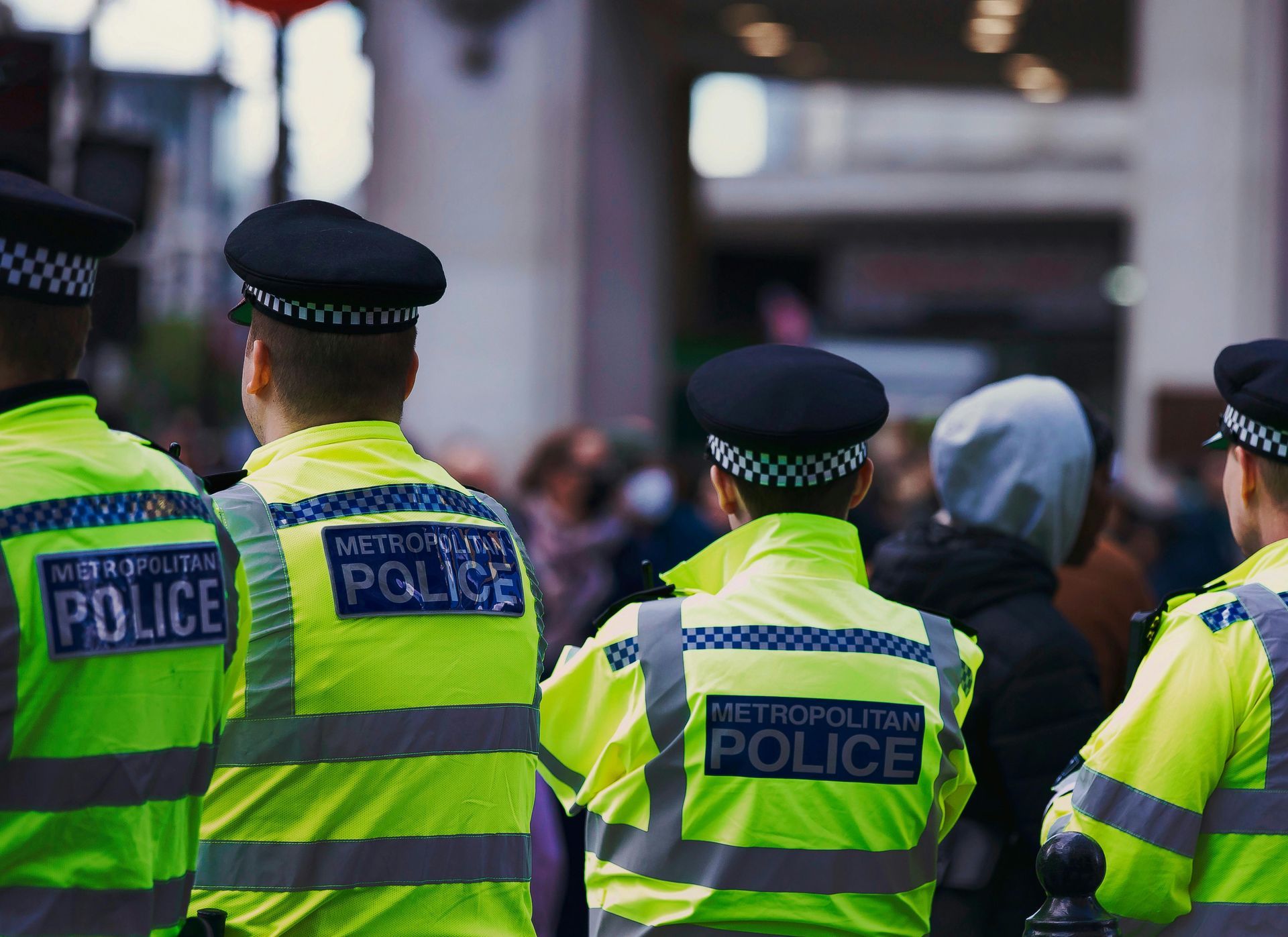
Intelligence-led monitoring of protest activity
Early identification of emerging risks
Experienced teams trained in sensitive environments
Proportionate, compliant response strategies
Protection of people, assets and reputation
Clear communication and on-site control